I was 20 when my hair started falling out. I panicked, spent money on every shampoo, oil, and pill that promised a fix, and hid under hats while my confidence thinned along with my hairline. Eventually I picked up the clippers and made peace with the mirror. I tell you this because I treat hair loss as a physician who has lived it, and because what looks like a cosmetic problem is very often a health signal.
Your hair is a messenger
Your body budgets its resources, and hair sits near the bottom of that list. Under strain, the body protects the heart and brain first, and the follicles take the first cut, which is why shedding is often an early messenger of something deeper. The causes can be genetic, hormonal, nutritional, environmental, or stress driven, and they often overlap.
Where I look first as an integrative medicine doctor
Missing raw materials. Hair is protein, so it depends on a steady supply of amino acids to build its keratin, and I regularly find low iron, zinc, biotin, folate, B12, or vitamin E in patients who shed. Too much vitamin A does the opposite of helping, so megadosing is never the plan.
Thyroid and hormones. Shedding can be the earliest sign of an underactive thyroid, which is why I test beyond TSH to the complete panel I described in my thyroid series. In women, falling estrogen, polycystic ovary syndrome (PCOS), postpartum shifts, and stopping birth control all show up in the hairline. In men, the usual driver is dihydrotestosterone, or DHT, a potent form of testosterone that shrinks sensitive follicles.
Stress, on a delay. A hard chapter pushes a wave of follicles into their resting phase all at once, and the shed reaches the mirror a few months later. The condition is called telogen effluvium, and connecting that timeline brings patients real relief.
Gut and immunity. A struggling gut can starve follicles even on a good diet, so I check for reactive foods like gluten, for small intestinal bacterial overgrowth (SIBO), and for a compromised gut lining. Alopecia areata is a different story, where the immune system turns on the follicles themselves and hair falls out in smooth, round patches.
Environmental strain. Endocrine disruptors like BPA, mold exposure, and heavy metals like mercury each add quiet strain on your hormones and your follicles.
A quick caution before we go on, because sudden clumps of loss, fast appearing bare patches, or pain, burning, scarring, or redness along with the shedding calls for a prompt, in-person evaluation.
Testing, in tiers
I evaluate in tiers so the workup fits you. Tier one is thorough bloodwork: blood counts, metabolic health, the complete thyroid panel, key hormones, and the nutrients above. Tier two goes deeper only when your story calls for it, with advanced hormone mapping, stool analysis, toxin and heavy metal panels, and deeper micronutrient or immune testing. Most patients find their answer in tier one.
The foundation I start everyone on
- Protein first. For most healthy adults my target is 1 to 2 grams of protein per kilogram of body weight, each day. Bone broth and collagen paired with vitamin C do real work here, and organ meats help in moderation, since liver is very rich in preformed vitamin A and iron.
- A simple journal. Track meals next to shedding for a few weeks, and gluten, dairy, or sugar patterns often reveal themselves.
- Scalp care. Massage, brushing, and rosemary oil are simple ways I encourage patients to support circulation right where the follicles live.
- The basics. Sunlight, daily movement, real sleep, and steady stress care do as much as any capsule.
When we add more tools
Topical minoxidil is still a workhorse, and microneedling helps it reach deeper, though the gains last only as long as you keep using it. Red light therapy appears to support the energy machinery inside your follicles, the same idea from my mitochondria article, and that research is promising and still growing. Platelet rich plasma, known as PRP, uses your own growth factors to wake dormant follicles, and peptides are an early but interesting corner of regenerative care. For men with a clearly androgen driven pattern, finasteride has a place, but I do not reach for it first. And when a transplant makes sense, I help with the right surgeon and the right timing.
Labs worth asking about
If shedding has you worried, these are reasonable places to start with your clinician:
- Ferritin and a full iron picture
- Zinc, biotin, folate, B12, and vitamin E
- The complete thyroid panel, well beyond TSH
- The key hormones for your sex and stage of life
Tell your clinician if you take a high dose biotin supplement, since it can interfere with thyroid and other hormone lab results. Then bring the results to someone who reads them with optimal ranges in mind.
Questions patients ask me
Is biotin enough to fix my hair loss?
Biotin helps most when biotin is actually low, and that is less common than the shampoo aisle suggests. A biotin capsule cannot fix low iron, a struggling thyroid, or a stressed nervous system, which is why I test before I recommend.
Is my shedding from stress or from hormones?
Sometimes both, and the timeline is often the clue. A shed that begins a few months after a hard chapter points toward stress, while a slow, patterned thinning at the temples, crown, or part line points toward hormones and genetics, and labs with a careful history separate the two.
There is a path here
Hair moves slowly, so give any real plan three to six months, judged with monthly photos instead of the daily mirror. And if your hair is thinning, you deserve a real search for the reason rather than a shrug and a shampoo recommendation. That is the work we do at Thrive, and it begins with a free 15-minute Meet and Greet. It would be a privilege to help you optimize your health and hair rejuvenation.
References
- American Academy of Dermatology. Hair Loss: Who Gets It and Causes.
- National Library of Medicine, StatPearls. Telogen Effluvium.
- American Thyroid Association. Hypothyroidism (Underactive Thyroid).
- National Institute of Arthritis and Musculoskeletal and Skin Diseases. Alopecia Areata.
- National Institutes of Health, Office of Dietary Supplements. Iron: Fact Sheet for Consumers.
- National Institutes of Health, Office of Dietary Supplements. Zinc: Fact Sheet for Consumers.
- National Institutes of Health, Office of Dietary Supplements. Biotin: Fact Sheet for Consumers.
- National Institutes of Health, Office of Dietary Supplements. Vitamin A and Carotenoids: Fact Sheet for Consumers, including safe upper limits.
- American Academy of Dermatology. Hair Loss: Diagnosis and Treatment, covering minoxidil, microneedling, laser therapy, platelet rich plasma, finasteride, and transplant.
- MedlinePlus. Minoxidil Topical.
This article is for education only. It shares a personal experience, it is not medical advice, and it does not create a physician and patient relationship. Please talk with your own clinician before making changes to your care, and see our full medical disclaimer.
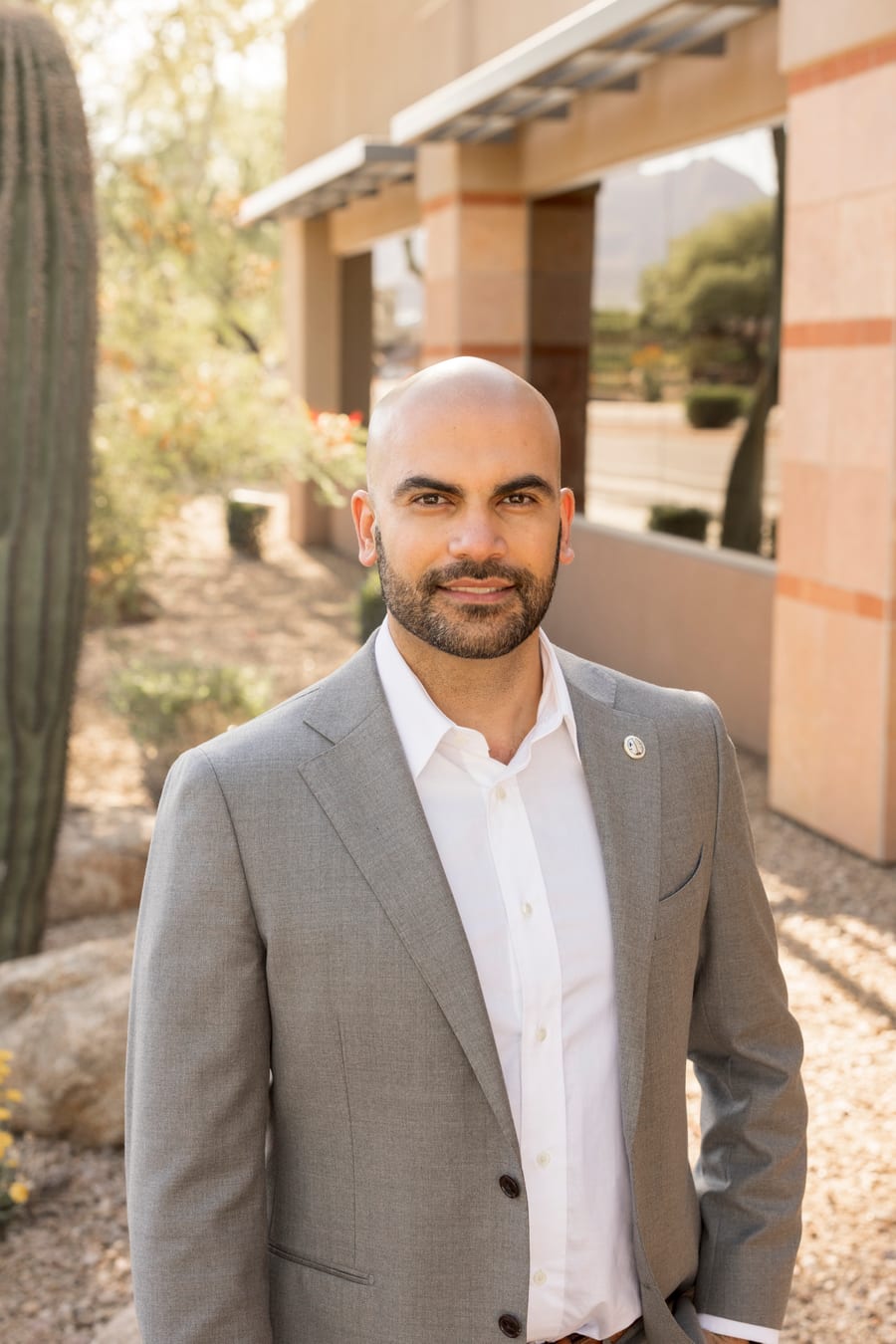
Double board-certified in Family Medicine and Integrative Medicine, fellowship-trained through IFM and AIHM, and a Castle Connolly Top Doctor. Dr. Mohammadi sees patients virtually across Arizona and Indiana. Meet Dr. Mohammadi →