This is part two of my five part series on cellular rejuvenation. The first covered your mitochondria, the energy factories inside your cells. Today is one of my favorite concepts in all of longevity medicine, because the picture explains itself. Autophagy is your cells cleaning house.
What autophagy is
Autophagy is a fancy word for the cleaning of the cells. Think of spring cleaning. Once a year you go through the house, you let go of things that are not serving you, and you clear out the clutter. A cluttered room is hard to use. An organized one feels great and works better.
Your cells do the same thing. I like the closet rule. If you have not worn something in six or twelve months, you donate it or replace it. Cells follow a similar idea. If a part is old, damaged, or no longer serving the cell, autophagy breaks it down and recycles it. This housekeeping matters so much that the 2016 Nobel Prize in Medicine went to the scientist who mapped how it works.
Why the pause matters
Here is the part most people miss. Autophagy is something you allow, and your job is to make room for it. The cleanup crew only comes out when your cells are not busy processing incoming food, especially incoming sugar. Give the body a quiet stretch, and it uses that time to break down worn parts, recycle them, and reset. Fill every waking hour with eating, and the crew never gets the floor.
The main tool: a smaller eating window
The number one way to invite autophagy is intermittent fasting, which simply means a shorter eating window than your usual one. Many people do well fasting 12 to 16 hours overnight, and most of those hours pass in their sleep.
There is interesting research here. A study of women with breast cancer found that those who fasted about 13 hours or more each night had a lower risk of the cancer returning. The benefits reach past longevity into metabolic health. Your eating window is worth paying attention to.
One honest caution from me. Fasting is a tool, and it is not for everyone. If you are pregnant, underweight, have a history of an eating disorder, or take medicines that lower blood sugar, please talk with your clinician before you change your eating window.
My confession about snacking
I will be honest with you. I am a snacker. Anything crunchy is my weakness, so I try to keep it clean. Roasted chickpeas, roasted garlic, nuts. Those are decent, protein rich choices.
Here is the problem. If we snack constantly, the cells never get a break. They stay busy handling the incoming sugar, and they never reach the quiet stretch where the cleanup happens. It works like sleep. If you stay up all night doing other things, the overnight repair and detox never run. So the snacks themselves can be clean, and the timing can still work against you. Give your cells the pause.
One hard workout a week
A weekly high intensity session, what trainers call high intensity interval training, or HIIT, is another strong signal. One true peak effort a week pushes the cells to reboot and clean house more effectively. It pairs beautifully with the gentler zone 2 work from part one. That mix, mostly easy with one weekly push, is my usual starting point with patients who are ready for it.
The closet rule
If you have not used it in months, let it go. Your cells run the same rule on their own parts. A reasonable eating window, less grazing, and one weekly challenge give them the time to run it.
Give your cells the chance
Your cells already know how to clean house. Our job is to give them the opening. This is part of the terrain we cover in the Thrive Longevity Blueprint, built around your own labs and goals, and it begins with a free 15 minute Meet and Greet.
Next in this series: the good kind of stress.
Watch the conversation
This series comes from a video I recorded on cellular rejuvenation. If you prefer to watch, it is here.
References
- The Nobel Prize in Physiology or Medicine 2016. Press Release: Yoshinori Ohsumi, for Discoveries of Mechanisms for Autophagy.
- Johns Hopkins Medicine. Intermittent Fasting: What Is It, and How Does It Work?
- Marinac CR, et al. Prolonged Nightly Fasting and Breast Cancer Prognosis. JAMA Oncology, 2016.
This article is for education only. It is not medical advice, and it does not create a physician and patient relationship. Please talk with your own clinician before making changes to your care, and see our full medical disclaimer.
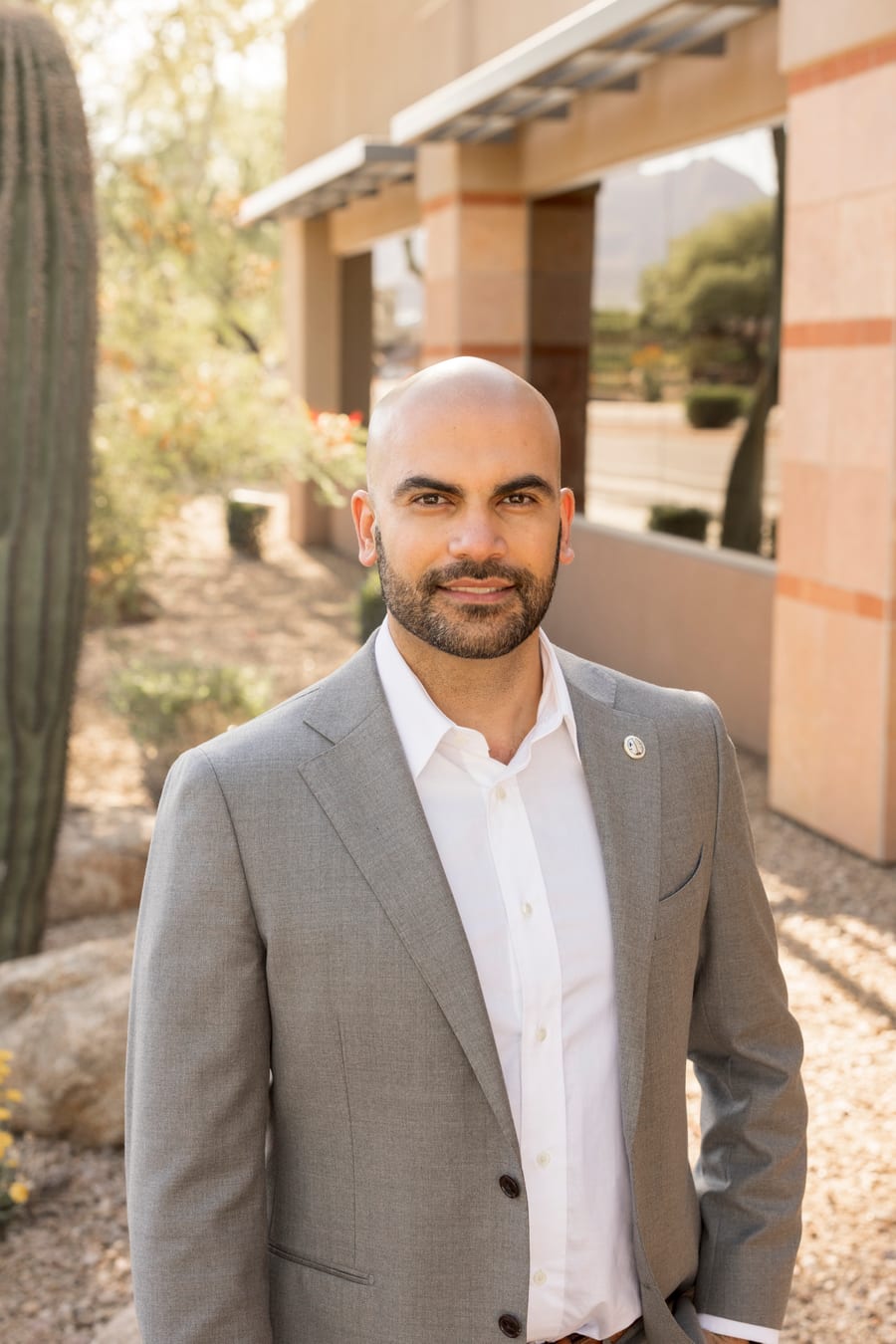
Double board-certified in Family Medicine and Integrative Medicine, fellowship-trained through IFM and AIHM, and a Castle Connolly Top Doctor. Dr. Mohammadi sees patients virtually and in person across Arizona and Indiana. Meet Dr. Mohammadi →