This is part three of my five part series on cellular rejuvenation. We have covered mitochondria and autophagy. Today's word is hormesis, and it may be the most useful concept you have never heard of. Hormesis is controlled stress, in small doses, that leaves your body more resilient than it found it.
What does not kill you, in the right dose
The old saying holds a real biological truth. What does not kill you makes you stronger, when it is applied carefully and on purpose. A small, planned stress asks your cells to adapt, and they answer by getting tougher, more agile, more capable.
Exercise itself is the classic example. Lift a challenging weight and your muscle grows back stronger. Lift far too much and something tears. I say this with humility, because I am currently working with a wonderful physical therapist on a rotator cuff injury of my own. The dose makes the medicine, and going overboard turns a signal into an injury.
Cold plunges
Cold exposure is fantastic for waking up the mitochondria, the energy producers inside your cells, and asking them to produce more energy. The cold also releases norepinephrine, an alertness chemical in your nervous system, so you feel awake, alive, and energized. I describe it as the coffee feeling without the jitters.
Stay in too long, though, and the benefit flips. Prolonged cold brings a real risk of hypothermia.
Sauna
Heat works from the other side of the thermometer. Sauna time activates heat shock proteins, helpers that assist your cells in recovering, cleaning out, and rejuvenating. A good sweat also supports detoxification, as long as you stay hydrated.
The same rule applies. Stay in too long and you risk overheating, dehydration, even passing out. Enjoy the heat, and be mindful with it.
Breath work
Breath work is gentle hormesis you can practice anywhere, and it is one of my favorite tools in the whole series. Slow, deliberate breathing calms the sympathetic fight or flight system, engages the vagus nerve, and raises the parasympathetic rest and repair state. There is a strong connection between your gut, your nervous system, and your breath, so the calm reaches further than you might expect.
Different styles do different jobs. Some are activating and some are deeply calming. Either way, you are oxygenating your body while training your nervous system to recover. We have worked with some excellent breath work practitioners, and I use it myself.
A word before you start
Cold and heat are real stressors, which is exactly why they work. If you have a heart condition, blood pressure problems, or you are pregnant, please talk with your clinician before adding cold plunges or sauna sessions. Start small, and let your body earn the bigger doses.
The pattern to remember
Small dose, full recovery, repeat. That is hormesis. The stress is the signal. The recovery is where you grow. If a practice leaves you drained instead of stronger, the dose was too big.
Resilience is trainable
Your body's ability to stay agile and resilient responds to practice, the same way a muscle does. A little cold, a little heat, and a calm nervous system are simple tools that pay for a long time. This is part of the terrain we cover in the Thrive Longevity Blueprint, and it begins with a free 15 minute Meet and Greet.
Next in this series: the quiet stress that ages your cells.
Watch the conversation
This series comes from a video I recorded on cellular rejuvenation. If you prefer to watch, it is here.
References
- Harvard Health Publishing. Sauna Health Benefits: Are Saunas Healthy or Harmful?
- Harvard Health Publishing. Relaxation Techniques: Breath Control Helps Quell Errant Stress Response.
This article is for education only. It is not medical advice, and it does not create a physician and patient relationship. Please talk with your own clinician before making changes to your care, and see our full medical disclaimer.
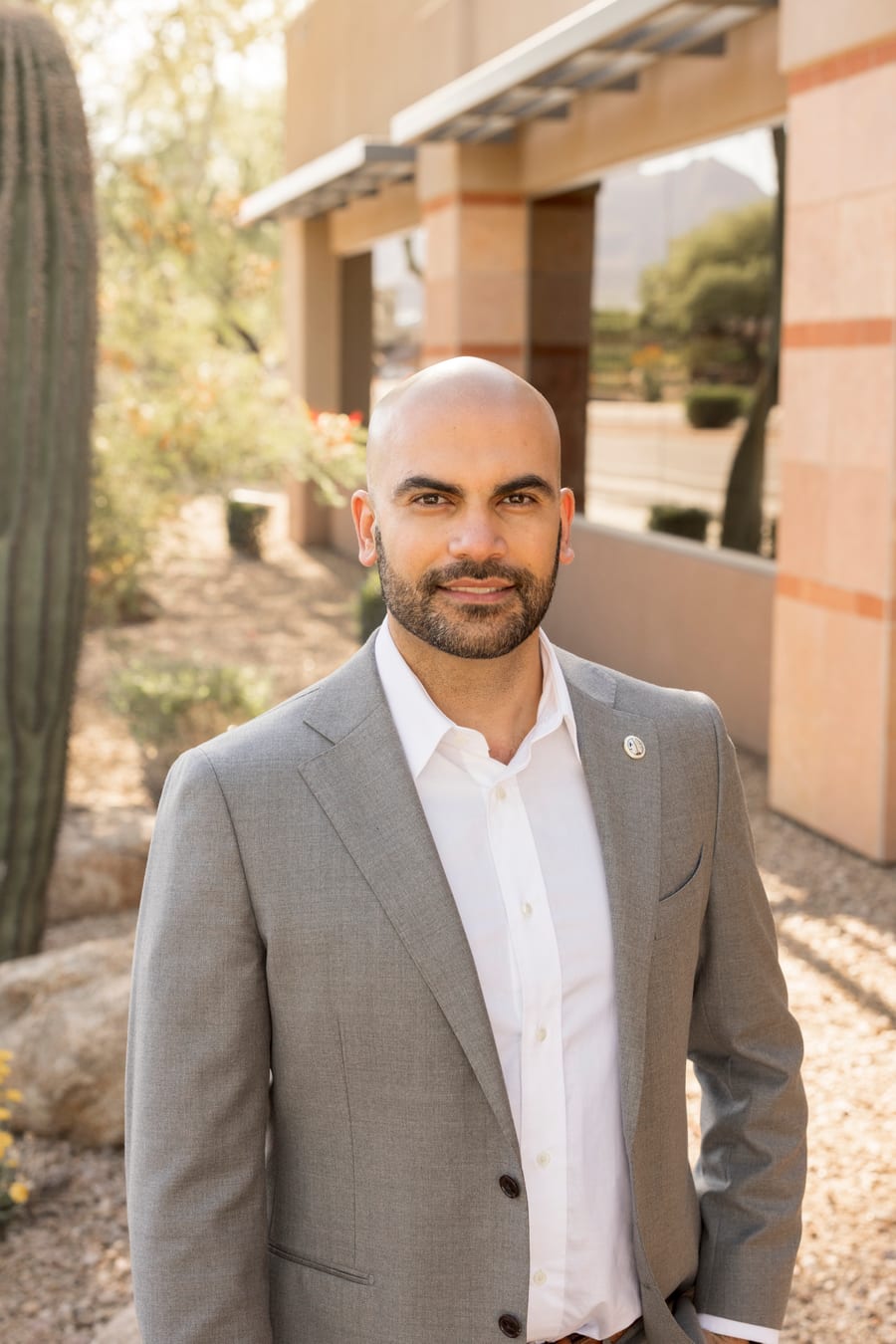
Double board-certified in Family Medicine and Integrative Medicine, fellowship-trained through IFM and AIHM, and a Castle Connolly Top Doctor. Dr. Mohammadi sees patients virtually and in person across Arizona and Indiana. Meet Dr. Mohammadi →