This is the final part of my five part series on cellular rejuvenation. We have covered mitochondria, autophagy, hormesis, and the quiet stress of oxidation. The last lever is your immune system, and the balance that keeps it protective instead of destructive.
Balanced is the goal
A healthy immune system holds the middle path. When it is overreactive, you see allergies, sensitivities, and autoimmune conditions. When it is underactive, you see fatigue, repeated infections, and over time even a higher risk of cancers. The sweet spot is a system that stays nimble and watchful without attacking your own tissue. We want our immune system to be tolerant to self.
I think of it as your surveillance. It patrols the body, removes what does not belong, and leaves your own cells in peace. Keeping that surveillance sharp and calm is very doable.
You are built resilient
Here is a perspective I share with patients often. We are exposed to viruses and microbes constantly, every single day, and most of the time nothing happens. We are built resilient. So when you do get sick after a stressful stretch, the usual story is a defense that took a dive. The exposure was always there. That is actually good news, because the state of your defense is something you can influence.
Three ways to keep the balance
Treat stress like it matters, because it does. Chronic stress is directly linked in research to reduced immune function. It is no accident that people come down with something during the holidays or right after a big deadline. Breath work and meditation lower the stress signal, engage the vagus nerve, and bring the nervous system back to rest and repair. A few quiet minutes a day is real medicine, and it adds up.
Tend your gut. A large share of your immune system lives in and around the gut, so the balance of your microbiome is enormous. We support it with prebiotics, the food your microbes eat, probiotics, the helpful microbes themselves, and postbiotics, the beneficial compounds microbes produce that support the gut lining and immune function. And take your gut feelings seriously. Many emotions and stressors speak from the gut first. Your body is often telling you what is good for you and what is not. Listen to it.
Mind the key nutrients. Adaptogens, including certain mushrooms and herbs, may help the immune system stay in that middle range, nimble without overreacting. And the most researched and best loved nutrient here is vitamin D, one of the safest supplements we have when it is dosed properly. It is so central to immune function that it behaves almost like a hormone, and low levels are one of the most common findings on the labs I review.
The picture to keep
Think surveillance. Sharp enough to remove what does not belong. Calm enough to leave your own tissue in peace. Stress care, gut care, and the right nutrients set that balance.
The five levers, together
That completes the series. Energized mitochondria. Regular cellular housekeeping. Small doses of good stress. A quiet cellular environment. A balanced immune system. Five levers, all within reach, and all things we can measure and improve together. If you want to see where your own body stands, we look at inflammation, nutrients, gut health, and immune markers, then build the plan around what we find. You can read how we approach gut health and autoimmune health at Thrive, and it all begins with a free 15 minute Meet and Greet.
And with that, I wish you a long life and an even longer health span.
Watch the conversation
This series comes from a video I recorded on cellular rejuvenation. If you prefer to watch, it is here.
References
- Segerstrom SC, Miller GE. Psychological Stress and the Human Immune System: A Meta-Analytic Study of 30 Years of Inquiry. Psychological Bulletin, 2004.
- National Institutes of Health, Office of Dietary Supplements. Probiotics: Fact Sheet for Consumers.
- National Institutes of Health, Office of Dietary Supplements. Vitamin D: Fact Sheet for Consumers.
- Harvard Health Publishing. Relaxation Techniques: Breath Control Helps Quell Errant Stress Response.
This article is for education only. It is not medical advice, and it does not create a physician and patient relationship. Please talk with your own clinician before making changes to your care, and see our full medical disclaimer.
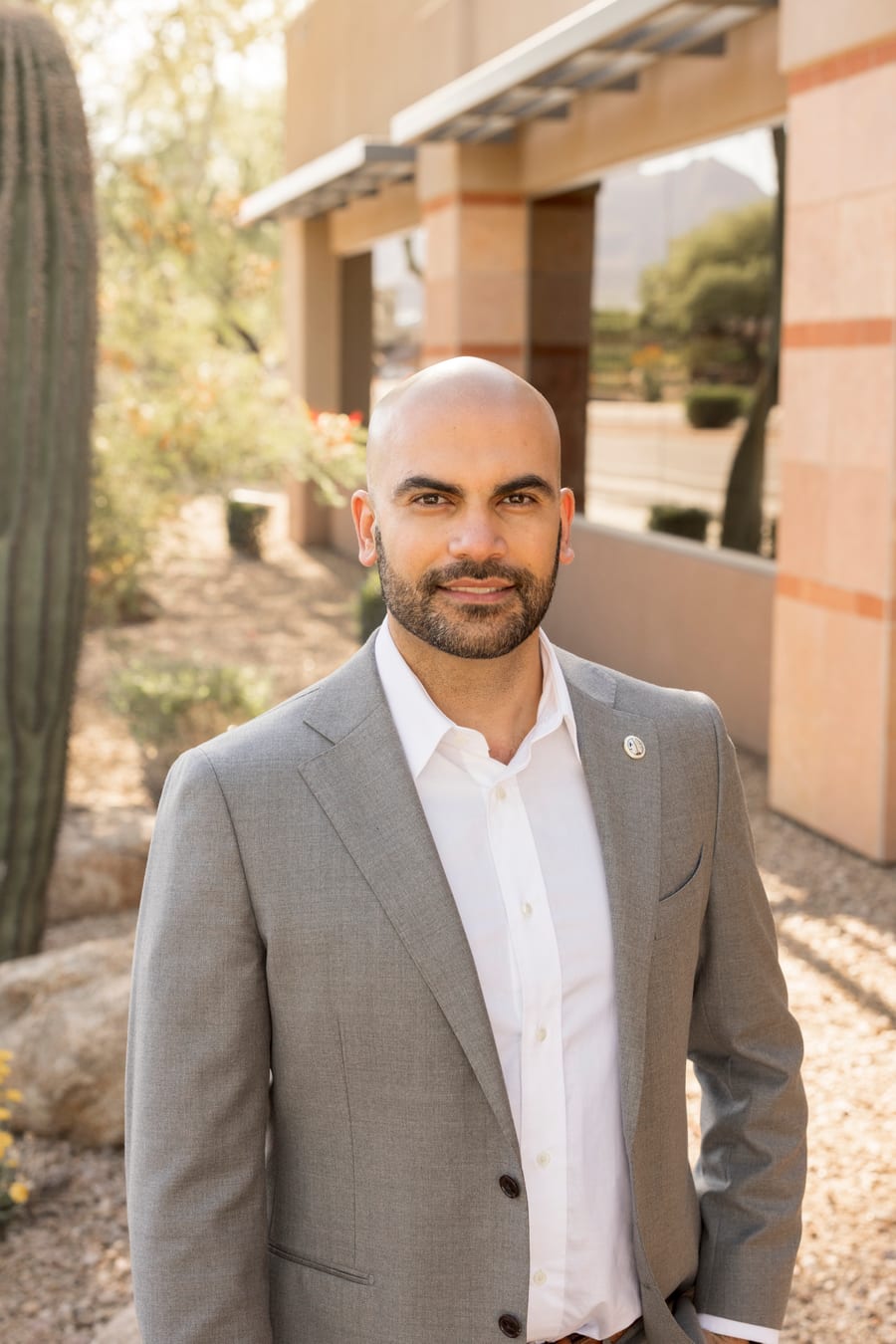
Double board-certified in Family Medicine and Integrative Medicine, fellowship-trained through IFM and AIHM, and a Castle Connolly Top Doctor. Dr. Mohammadi sees patients virtually and in person across Arizona and Indiana. Meet Dr. Mohammadi →